
How it all began
There are moments in life when you stop functioning. When everything you had planned – your career, your relationships, your sense of self – suddenly falls apart. For me, that was the moment I stopped pretending things would fall back into place, and waiting for them to get better. So I left.
Alone. By train, bus, and whatever else was moving forward. From Switzerland through Europe, Turkey, Iran, Pakistan – all the way to the foot of the Himalayas. I wasn't travelling on holiday, and I wasn't driven by a sense of adventure. I travelled because I saw no other way. Six weeks, seven countries, and countless encounters with people who knew nothing about me and gave selflessly – without asking, without expecting anything in return.
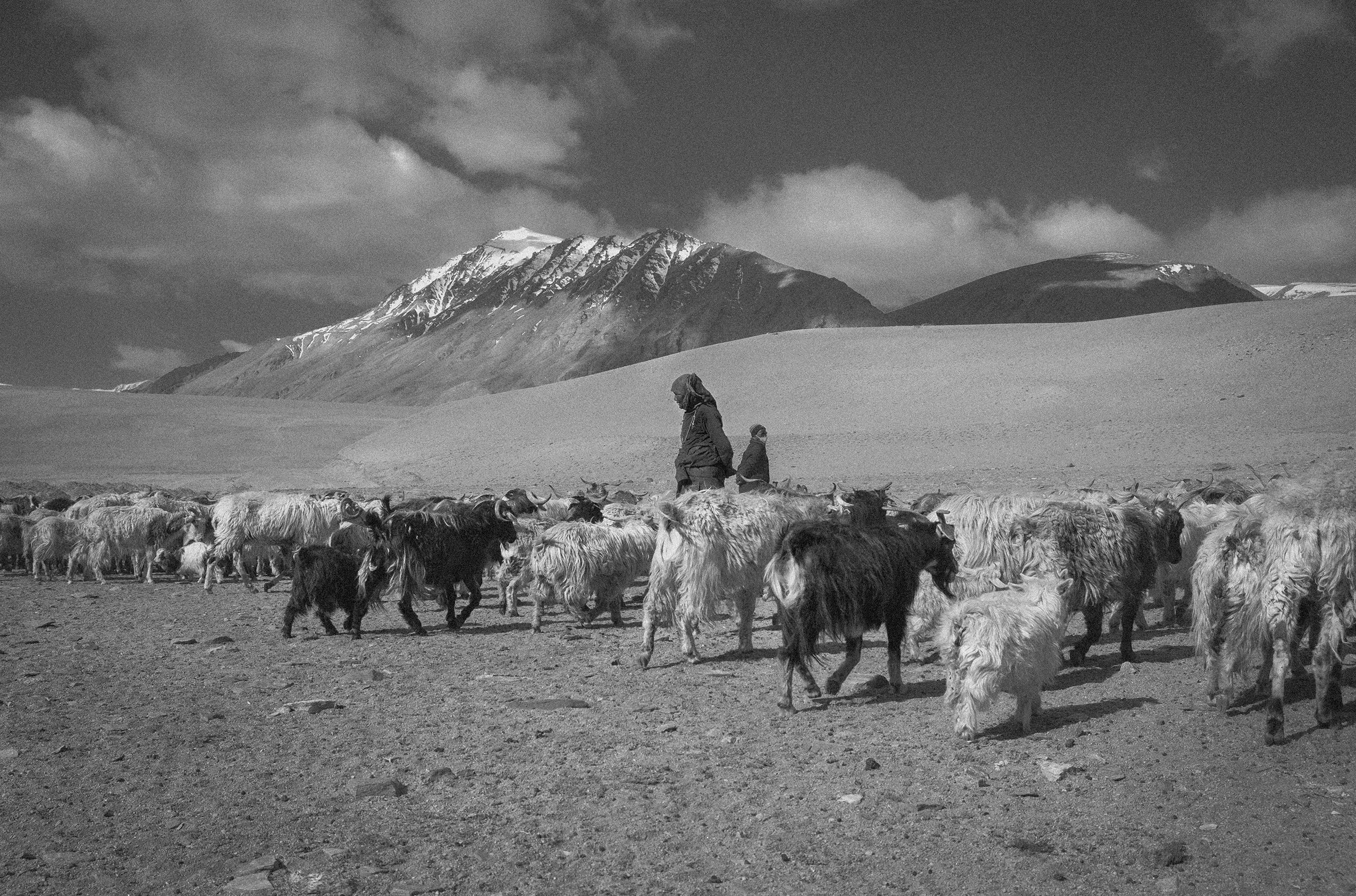
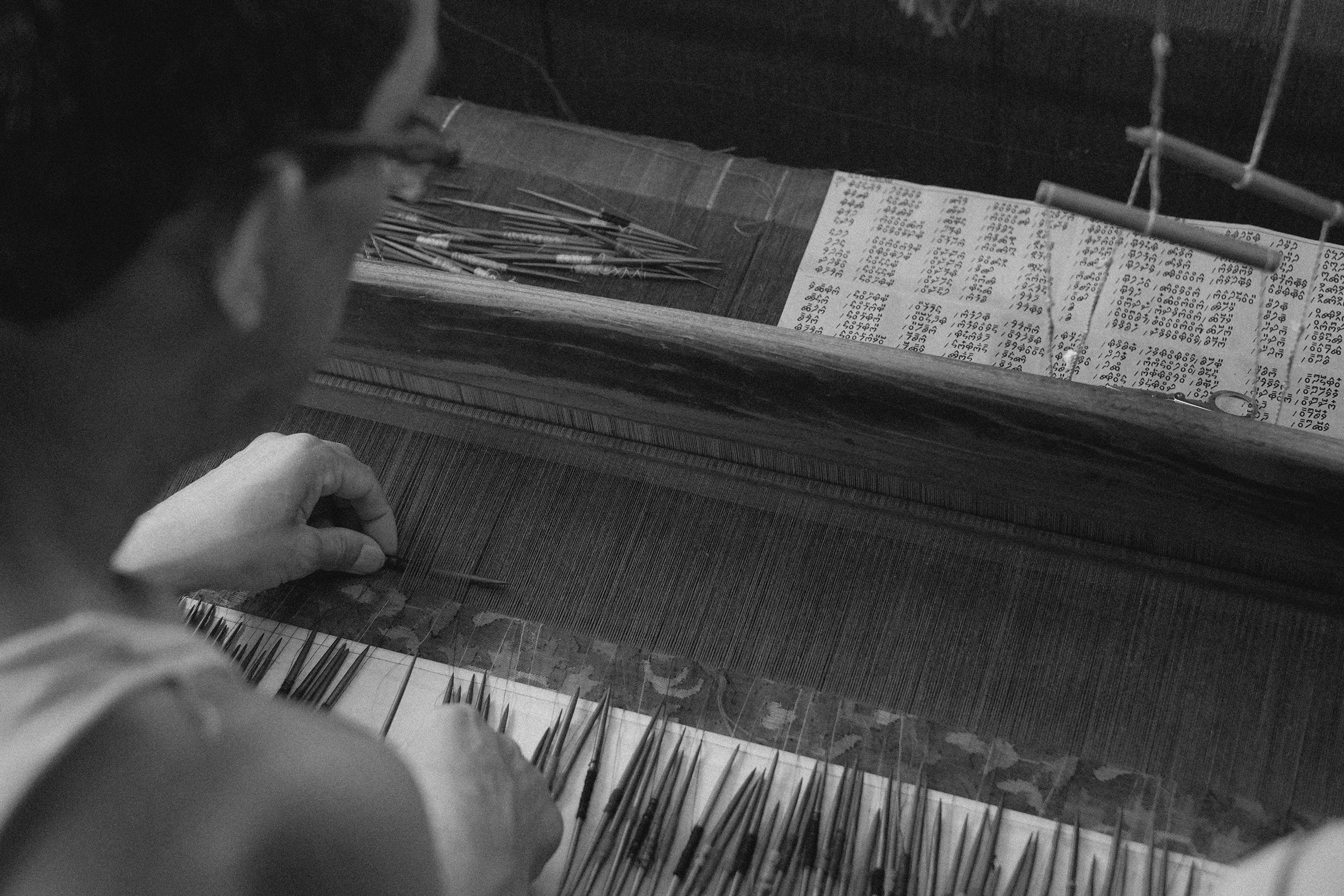
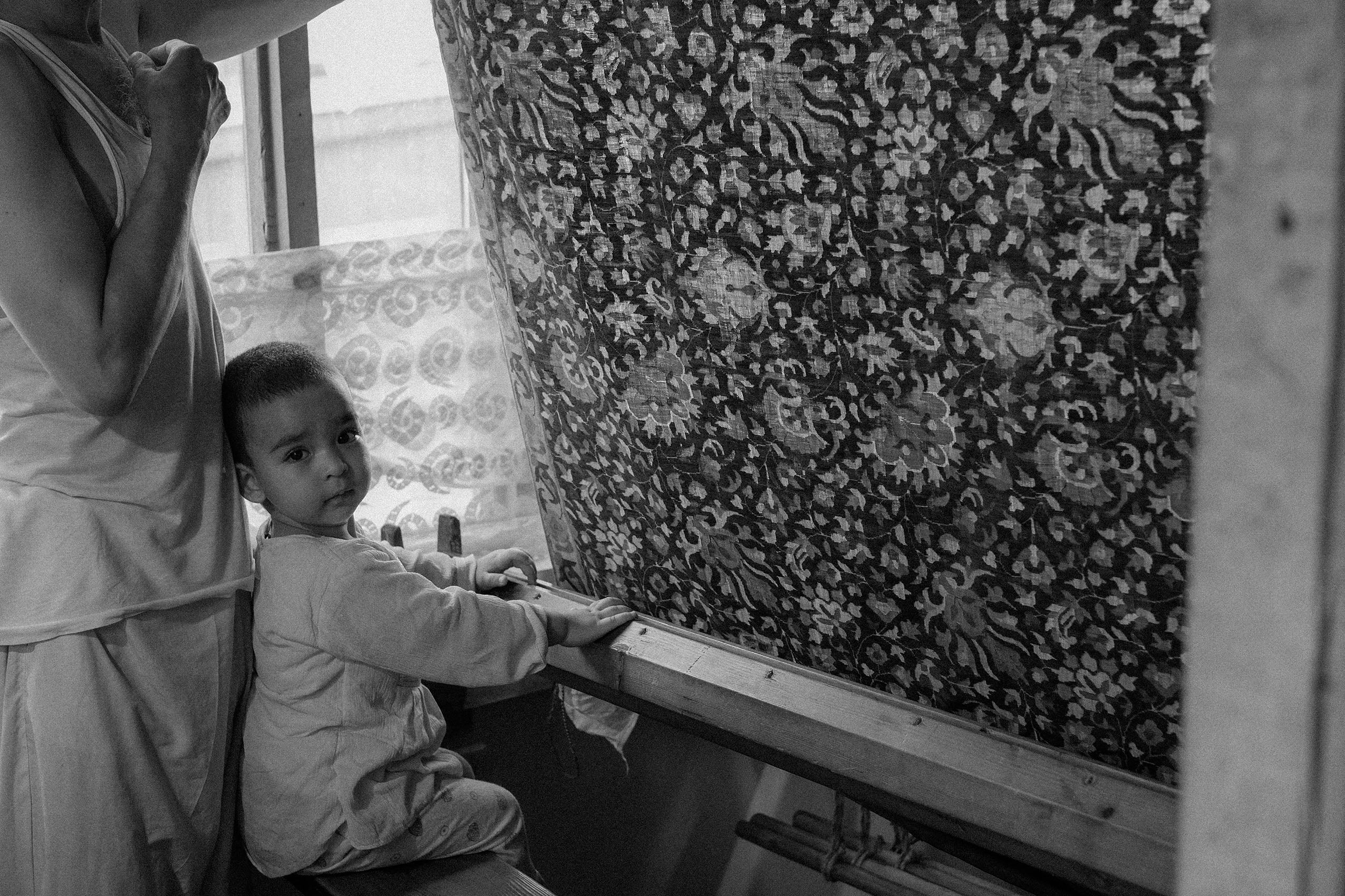
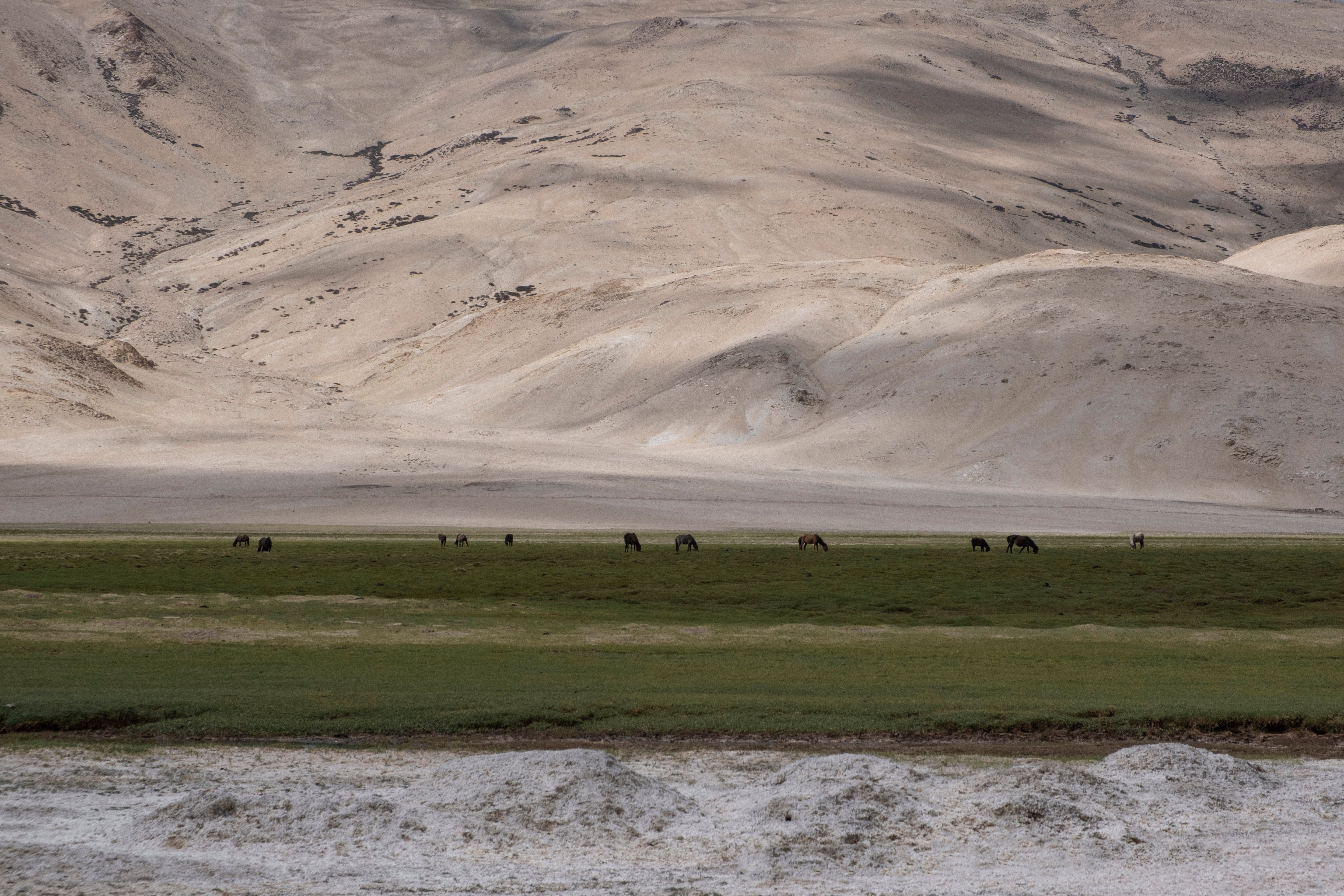
First in the highlands of Changthang and then in the Kashmir Valley, I encountered realities I would come to understand more deeply than I could have known at the time. Where people have carried out the same movements for decades with remarkable discipline and devotion. Where nomads cover the same long distances as their ancestors did long before them, where women spin yarn the way their grandmothers did, and their grandmothers before them, and men dye it with the same artistry as their grandfathers and their grandfathers before them – before it is woven on the loom with the utmost precision and patience. Just as generations before them have always done.
Hands that know exactly what they are doing, because they have learned and mastered it – in spite of every adversity. A craft that has survived invasions, ongoing unrest, and numerous wars – thanks to the courageous people who have defied every uncertainty, hardship, and technological shift to this day, in order to pass on this cultural heritage.
I encountered genuine dignity. And I saw how that dignity is overlooked by the world.

Why Gaash
Fashion as an industry has honestly never interested me. What interests me are people – and the question of under what conditions the things we consume come into being, and what is worth preserving for society and for humanity.
A Pashmina scarf from Kashmir is not valuable and costly because it is sold under a well-known label. It is, because real people have given months of their lives to it. Because animals were herded for months under the harshest weather conditions, fibres were hand-combed, hand-spun, and hand-woven into a work of art – in a tradition that has survived centuries and today, due to our consumption habits and the relentless desire for more, stands on the edge of disappearing. And with it, the livelihoods of entire communities.
Gaash is a promise that this work will be seen and honoured. And that the people who fight to keep this extraordinary craft alive will hold a dignified place in the global economy.